Batch Vs 1:1 Tutoring Vs Hybrid
I cannot decide between a batch course, one to one tutoring, or a hybrid plan. In batch, I fear my child will not get personal attention and will hesitate to ask doubts. In one to one, I fear we will pay more but still not get a strong testing system or structured syllabus completion. Hybrid sounds good but I do not know how to design it. I need clarity based on my child’s baseline score, discipline level, and time zone constraints. I also need to know what the plan should include weekly, how many tests per month, how mistakes are tracked, and how parents get reporting so we can intervene early.
A Complete Coaching Format Decision Guide for USA-Based NRI Families
For USA-based NRI families preparing for the National Eligibility cum Entrance Test (NEET), choosing the right coaching format is one of the most important early decisions.
Parents often ask:
- Should my child join a batch program?
- Is one-on-one tutoring better?
- Would a hybrid approach give the best results?
Unlike students studying in India who naturally enter large competitive classroom ecosystems, NRI students must carefully design their preparation structure from abroad.
NEET, conducted by the National Testing Agency (NTA), is not a holistic admissions exam. It is purely rank-based. Therefore, preparation strategy must be aligned with performance optimization.
This chapter explains:
- What batch coaching involves
- What 1:1 tutoring offers
- What hybrid models combine
- Advantages and limitations of each
- Ideal student profile for each format
- Cost, flexibility, and accountability comparison
- Decision framework for parents
- Long-term strategic planning
This guide is written to help families choose based on student personality and performance needs — not marketing trends.
Understanding the Three Formats
Before comparing, it is important to clearly define each format.
Batch Coaching
A group-based program where one teacher teaches multiple students simultaneously (live or offline). Structured syllabus progression with fixed schedule.
1:1 Tutoring
Personalized one-on-one sessions tailored to student’s weaknesses and pace.
Hybrid Model
Combination of batch classes plus periodic 1:1 sessions for doubt-solving and performance correction.
Each model serves different academic and psychological needs.
Summary:
Batch = structured group learning.
1:1 = personalized attention.
Hybrid = structured + personalized support.
AAA1
BB
NEET NRI Counseling & Admission eBook Download
A practical guide covering NRI quota admission process, fee, colleges, counseling, sponsor rules, document checklist, verification traps, NRI quota admission details.

Schedule Trial Session For NEET Prep
Get a short academic diagnostic report, study roadmap: syllabus gaps (NCERT vs U.S. curriculum) and the exact weekly plan needed to improve accuracy under time.
Batch Coaching – Structured Competitive Environment
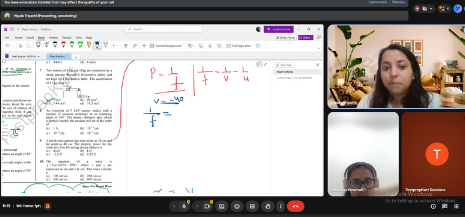
Batch programs simulate India’s classroom culture. Students attend regular sessions alongside peers, often with scheduled mock tests and structured topic completion timelines.
For NEET, which demands speed and accuracy, exposure to peer competition can be highly motivating. Seeing others perform well pushes students to maintain discipline.
Batch coaching also ensures syllabus completion within a defined timeframe, reducing risk of unfinished topics.
Example:
A Grade 11 student in Texas joins a live online batch aligned with Indian syllabus and participates in weekly competitive mock tests.
Summary:
Batch programs provide structure, competition, and syllabus discipline.
Advantages of Batch Coaching for NRIs
Batch coaching offers:
- Fixed schedule builds consistency
- Competitive environment motivates improvement
- Standardized study material
- Integrated mock testing
- Performance benchmarking
For students lacking discipline, batch format creates external accountability.
Additionally, structured topic flow ensures proper alignment with NCERT syllabus, which is critical for NEET.
Summary:
Batch coaching enhances accountability and competitive preparedness.
Limitations of Batch Coaching for USA-Based Students
Time zone differences can disrupt live participation.
India-based live classes may occur during early morning or late night in the U.S. Recorded options may reduce real-time interaction.
Batch coaching also progresses at fixed pace. If a student struggles in Physics or Organic Chemistry, teachers may not slow down for individual needs.
Large batches reduce personalized attention.
Summary:
Batch coaching may lack flexibility and individual customization.
1:1 Tutoring – Personalized Academic Attention
One-on-one tutoring focuses exclusively on the student’s weaknesses.
Sessions can be customized based on:
- Concept gaps
- Slow problem-solving speed
- Low mock test scores
- Time management issues
Tutors adapt pace and focus to the student’s needs.
For NRI students adjusting to Indian-style exam questions, personalized support can bridge learning gaps effectively.
Example:
A student struggling with rotational mechanics receives focused weekly 1:1 sessions to strengthen fundamentals.
Summary:
1:1 tutoring provides individualized attention and flexible pacing.
Advantages of 1:1 Tutoring
1:1 tutoring allows:
- Customized teaching pace
- Immediate doubt clarification
- Targeted topic reinforcement
- Flexible scheduling across time zones
This format works especially well for students who:
- Are shy in group settings
- Have uneven subject strength
- Need confidence building
Parents often prefer 1:1 tutoring for close monitoring.
Summary:
1:1 tutoring offers deep personalization and flexibility.
Limitations of 1:1 Tutoring
While personalized, 1:1 tutoring lacks competitive environment.
Students may not experience:
- Peer pressure
- Rank benchmarking
- Competitive testing mindset
NEET is highly competitive. Without comparison to national-level peers, students may misjudge readiness.
Additionally, 1:1 tutoring can be expensive.
Summary:
1:1 tutoring improves weaknesses but may reduce competitive exposure.
Hybrid Model – Balanced Approach
Hybrid coaching combines:
- Batch-based structured syllabus completion
- 1:1 sessions for personalized doubt solving
This model addresses both competitive exposure and individualized improvement.
For USA-based students, hybrid format is often the most practical long-term solution.
Example:
A student attends structured online batch for Biology and Chemistry but takes weekly 1:1 Physics tutoring.
Summary:
Hybrid approach balances structure and customization.
Cost Comparison
Batch Coaching:
- Most affordable per hour
- Lower cost due to shared instruction
1:1 Tutoring:
- Highest cost
- Direct faculty time
Hybrid:
- Moderate to high cost
- Balanced investment
Parents should evaluate return on investment based on student profile.
Summary:
1:1 is most expensive; batch is most economical; hybrid balances cost and benefit.
Ideal Student Profile for Each Format
Batch Coaching Best For:
- Self-disciplined students
- Students motivated by competition
- Balanced subject strengths
1:1 Tutoring Best For:
- Students struggling in specific subjects
- Students needing confidence building
- Students requiring flexible schedule
Hybrid Best For:
- Students aiming for high ranks
- Students balancing U.S. school workload
- Students requiring both competition and correction
Summary:
Student personality and academic level determine optimal format.
Psychological Factors in Format Selection
Students preparing from the U.S. often lack exposure to intense Indian competition.
Batch learning fosters competitive mindset.
However, excessive competition may stress sensitive students.
Parents must assess:
- Emotional resilience
- Motivation style
- Stress tolerance
Format should enhance confidence, not increase anxiety.
Summary:
Psychological suitability matters as much as academic strategy.
Long-Term Strategy (Grade 11–12 Model)
Recommended approach:
Grade 11:
- Batch coaching for full syllabus coverage
Grade 12:
- Add 1:1 tutoring for weak subjects
Final 6 months:
- Intensive mock testing and targeted corrections
This structured progression balances foundation and refinement.
Summary:
Start with structure, refine with personalization.
Common Mistakes Parents Make
- Choosing 1:1 only, ignoring competition
- Overloading with multiple batch programs
- Switching formats frequently
- Starting too late
- Ignoring mock testing
Consistency is more important than experimentation.
Summary:
Avoid overcomplicating preparation structure.
Impact on NEET Rank
Ultimately, NEET rank depends on:
- NCERT mastery
- Mock performance
- Speed and accuracy
- Revision depth
Format influences process but not guarantee outcome.
Consistency and disciplined execution matter more than format type.
Summary:
Preparation discipline outweighs format choice.
Final Takeaway for USA-Based NRI Families
Batch coaching builds structure and competition.
1:1 tutoring strengthens weak areas.
Hybrid models provide the most balanced preparation for many NRI students.
There is no universally “best” format. The right choice depends on:
- Student temperament
- Academic baseline
- Budget
- Time zone feasibility
- Long-term commitment
Strategic planning from Grade 11 improves NEET rank potential.
Overall Summary
Batch coaching offers structure and competition but may lack personalization.
1:1 tutoring provides individualized attention but limited competitive exposure.
Hybrid format combines strengths of both.
USA-based families should assess student profile carefully and choose format aligned with academic needs and psychological comfort.
Consistency, revision, and mock testing remain the ultimate determinants of NEET success.