




Hi, I’m TestprepKart.
Your Partner In Exam Preparation

Download Testprepkart SAT Prep Guide
USA/NRI Students, would you want to know where you’ll be going to college?
A good rule of thumb to go by is this: apply early if you’re organized and have a strong application ready to go. Early action deadlines are a way better that the regular deadlines. Though a point to note here is, a large number of schools offer an early action deadline in addition to a regular decision deadline.
Below article will guide you with the things you need to do for applying early action. Also, I’ll be providing you with a comprehensive list of schools that offer early action.
Early action application is a great option if you’ve done your college research and have made sure to have things ready with regards to application process by the November deadline. Good News for USA/NRI Students is, a greater percentage of early action candidates get accepted when compared to regular application candidates.
The usual deadlines for early action application are between November 1 and November 15. And colleges will respond to by mid-December.
There are few more benefits of early action:
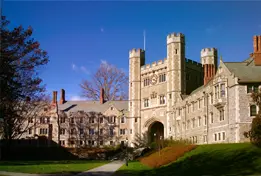
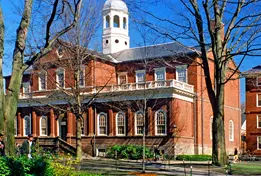
Early action is available at Harvard, Princeton, Yale and Stanford. Though it’s restrictive but it is offered at these schools/colleges.
Students who apply for early action always have an upper hand in admission process, reason being they show their enthusiasm and commitment to the schools they’re applying. And this also helps them get a higher yield. Yield refers to the percentage of students who accept their offers of admission. The higher the yield, the easier it becomes to predict enrollment numbers and avoid having to make a waitlist.

Get Exam Prep Help Schedule Free Trial Session

The biggest challenge in SAT prep isn’t effort-it’s direction. This free SAT Prep Guide gives students a clear, structured roadmap for the Digital SAT. It explains priority topics, effective practice methods, timing strategies, and common mistakes that impact scores. Designed for U.S. high school students and Indian NRI families following U.S. admission timelines, this guide helps students prepare efficiently while balancing schoolwork and AP coursework.
Download SAT Prep E-book Guide
Applying in early action requires planning, and USAn NRI students are anyways good at it. Planning has to start a few months earlier than usual. The important items that one needs to be prepared with are the SAT/ACT, Recommendation Letters, and Personal Essay.
Below is a small snapshot of how one should plan their early action admission process.
It is observed that Students who have taken up early action have an opportunity to retake their SAT/ACT tests and better their scores by retaking it.
It is always advisable to give time to your teachers and/or counselors for writing the letters of recommendations. This has to be done as soon as you are done with your junior year, as the teachers will remember you and can write a more comprehensive letter.
If you have taken up essay, then working on your essay writing would be a great advantage. Even reading short essays can help you understand the topics much prior to exams.
Finally, proofreading and writing about your extracurricular activities in detail. The deadline for submission is during November or December.
Apart from the four mentioned above, below is the list of colleges who offer early action deadlines.
Data is segregated by States:
|
Alabama |
Minneapolis College of Art and Design |
|
Auburn University |
Saint John’s University |
|
Birmingham-Southern College |
Mississippi |
|
Oakwood University |
Millsaps College |
|
Arizona |
New Hampshire |
|
Arizona Christian University |
Colby-Sawyer College |
|
Arkansas |
Saint Anselm College |
|
Arkansas Tech University |
Southern New Hampshire University |
|
Harding University |
University of New Hampshire |
|
Hendrix College |
New Jersey |
|
University of Arkansas |
Bloomfield College |
|
California |
Caldwell University |
|
Azusa Pacific University |
Felician College |
|
Biola University |
Georgian Court University |
|
California Baptist University |
Kean University |
|
California Institute of Technology (Caltech) |
Monmouth University |
|
California Lutheran University |
Princeton University |
|
California State University, Sacramento |
Rider University |
|
California State University, San Bernardino |
Saint Peter’s University |
|
Chapman University |
Seton Hall University |
|
Concordia University Irvine |
William Paterson University |
|
Loyola Marymount University |
New Mexico |
|
The Master’s University |
St. John’s College |
|
Menlo College |
New York |
|
Mills College |
Adelphi University |
|
Mount Saint Mary’s University, Los Angeles |
Bard College |
|
Notre Dame de Namur University |
Binghamton University |
|
Point Loma Nazarene University |
College of Mount Saint Vincent |
|
Saint Mary’s College of California |
College of Saint Rose |
|
Santa Clara University |
Columbia University, School of General Studies |
|
Simpson University |
Concordia College New York |
|
Soka University of America |
Dowling College |
|
Stanford University |
Fordham University |
|
University of the Pacific |
Hofstra University |
|
University of Redlands |
Iona College |
|
University of San Francisco |
Ithaca College |
|
Vanguard University of Southern California |
Le Moyne College |
|
Westmont College |
LIM College |
|
Whittier College |
LIU Brooklyn |
|
Colorado |
LIU Post |
|
Colorado College |
Manhattanville College |
|
Colorado State University |
Marist College |
|
Fort Lewis College |
Mercy College |
|
University of Colorado Boulder |
Molloy College |
|
University of Denver |
Monroe College |
|
Connecticut |
New York Institute of Technology |
|
Fairfield University |
Niagara University |
|
United States Coast Guard Academy |
Pace University |
|
University of Hartford |
Parsons School of Design (The New School) |
|
University of New Haven |
Pratt Institute |
|
Yale University |
The Sage Colleges |
|
Delaware |
Siena College |
|
Delaware College of Art and Design |
SUNY Albany (University at Albany) |
|
Delaware State University |
SUNY Binghamton (Binghamton University) |
|
District of Columbia |
SUNY Buffalo (University at Buffalo) |
|
Catholic University of America |
SUNY Cortland |
|
Georgetown University |
SUNY New Paltz |
|
Howard University |
SUNY Oneonta |
|
Trinity Washington University |
SUNY Polytechnic Institute |
|
Florida |
SUNY Purchase (Purchase College) |
|
Eckerd College |
Utica College |
|
Lynn University |
Wells College |
|
Palm Beach Atlantic University |
North Carolina |
|
University of Miami |
Elon University |
|
University of Tampa |
Fayetteville State University |
|
Georgia |
Greensboro College |
|
Agnes Scott College |
High Point University |
|
Emmanuel College |
Lees-McRae College |
|
Georgia College and State University |
Lenoir-Rhyne University |
|
Georgia Institute of Technology (Georgia Tech) |
North Carolina State University |
|
Georgia State University |
Queens University of Charlotte |
|
Mercer University |
University of North Carolina at Asheville |
|
Morehouse College |
University of North Carolina at Chapel Hill (UNC) |
|
Oglethorpe University |
University of North Carolina at Charlotte |
|
Spelman College |
University of North Carolina at Wilmington |
|
University of Georgia |
Warren Wilson College |
|
Wesleyan College |
Western Carolina University |
|
Idaho |
North Dakota |
|
College of Idaho |
Sanford College of Nursing |
|
Northwest Nazarene University |
Ohio |
|
Illinois |
Case Western Reserve University |
|
Augustana College |
Cleveland Institute of Art |
|
DePaul University |
Cleveland State University |
|
Governors State University |
College of Wooster |
|
Illinois College |
John Carroll University |
|
Illinois Wesleyan University |
Miami University |
|
Knox College |
Ohio State University |
|
Lake Forest College |
Ohio Wesleyan University |
|
School of the Art Institute of Chicago |
University of Akron |
|
University of Chicago |
University of Cincinnati |
|
University of Illinois at Chicago |
University of Dayton |
|
Wheaton College |
Wittenberg University |
|
USAna |
Oklahoma |
|
Butler University |
University of Tulsa |
|
DePauw University |
Oregon |
|
Earlham College |
Eastern Oregon University |
|
Grace College |
George Fox University |
|
Hanover College |
Lewis & Clark College |
|
Rose-Hulman Institute of Technology |
Linfield College |
|
University of Evansville |
Oregon State University |
|
University of Notre Dame |
University of Oregon |
|
Wabash College |
Willamette University |
|
Iowa |
Pennsylvania |
|
Coe College |
Bloomsburg University of Pennsylvania |
|
Cornell College |
Dickinson College |
|
Wartburg College |
Duquesne University |
|
Kentucky |
La Salle University |
|
Bellarmine University |
Lycoming College |
|
Centre College |
Saint Joseph’s University |
|
Transylvania University |
Shippensburg University of Pennsylvania |
|
University of Kentucky |
Susquehanna University |
|
Louisiana |
Temple University |
|
Centenary College of Louisiana |
University of Scranton |
|
Southern University at New Orleans |
Ursinus College |
|
Tulane University |
Villanova University |
|
Maine |
Washington & Jefferson College |
|
Maine Maritime Academy |
Westminster College |
|
Saint Joseph’s College of Maine |
Puerto Rico |
|
Thomas College |
University of Puerto Rico at Mayaguez |
|
Unity College |
Rhode Island |
|
University of Maine |
Bryant University |
|
University of Maine at Farmington |
Providence College |
|
University of Maine at Machias |
Roger Williams University |
|
University of New England |
Salve Regina University |
|
Maryland |
University of Rhode Island |
|
Goucher College |
South Carolina |
|
Johns Hopkins University |
College of Charleston |
|
Loyola University Maryland |
Erskine College |
|
McDaniel College |
Furman University |
|
Mount St. Mary’s University |
Presbyterian College |
|
Notre Dame of Maryland University |
University of South Carolina |
|
Salisbury University |
Wofford College |
|
St. John’s College |
Tennessee |
|
United States Naval Academy |
Bryan College |
|
University of Maryland (UMD) |
Rhodes College |
|
University of Maryland, Baltimore County |
Sewanee: University of the South |
|
Washington College |
Texas |
|
Massachusetts |

SAT Online Prep Course Details
| SAT Registration | English Prep Online |
| Digital SAT Syllabus | Digital SAT Tutors |
| Digital SAT Preparation | SAT Study Material |
| Digital SAT Documents Required | SAT Math Prep |
1. What is Early Action and how is it different from Early Decision?
Early Action (EA) allows students to apply to colleges earlier than the regular deadline and receive admission decisions sooner, usually between December and January. The biggest advantage is that Early Action is non-binding, meaning students can apply to multiple EA colleges and still compare financial aid offers before making a final decision. In contrast, Early Decision is binding, requiring students to enroll if accepted. Many universities affiliated with the College Board follow this distinction, making EA a flexible option for students who want early results without commitment pressure.
2. When are Early Action deadlines for 2026 admissions?
Most Early Action deadlines for Fall 2026 admission fall between October 15 and November 1, although some colleges extend deadlines to mid-November. Students should start preparing applications, recommendation letters, and test scores by early September to avoid last-minute issues. Checking official college admission pages regularly is important because deadline policies may change slightly each admission cycle.
3. Does applying Early Action increase acceptance chances?
In many cases, applying Early Action can slightly improve admission chances because colleges see early applicants as organized and genuinely interested. However, admission still depends on academic performance, extracurricular activities, essays, and overall profile strength. Applying early only helps when the application is complete and strong; submitting a rushed application may actually reduce chances.
4. Can students apply to multiple Early Action colleges at the same time?
Yes, most Early Action programs allow students to apply to multiple universities simultaneously. However, students should carefully check if a college offers Restrictive Early Action (REA) or Single-Choice Early Action, which may limit applying early to other private institutions. Understanding each college’s policy helps avoid accidental violations during the application process.
5. Is Early Action a good option for international students?
Early Action can be beneficial for international students because it provides early clarity about admission decisions and financial planning. Students get additional time to arrange visas, housing, and scholarships after receiving results. However, international applicants should ensure their standardized test scores, transcripts, and English proficiency requirements are ready well before EA deadlines.

He is a Digital SAT mentor with 10+ years of experience, working primarily with SAT students all Over worldwide. Their students have consistently progressed toward 1520+ scores by improving timing, accuracy, and trap-answer control through official-style practice, detailed mistake analysis, and clear weekly action plans.
Copyright © 2024 CounselKart Educational Services Pvt. Ltd.. All Rights Reserved


Post a Comment